 Amelia Grace
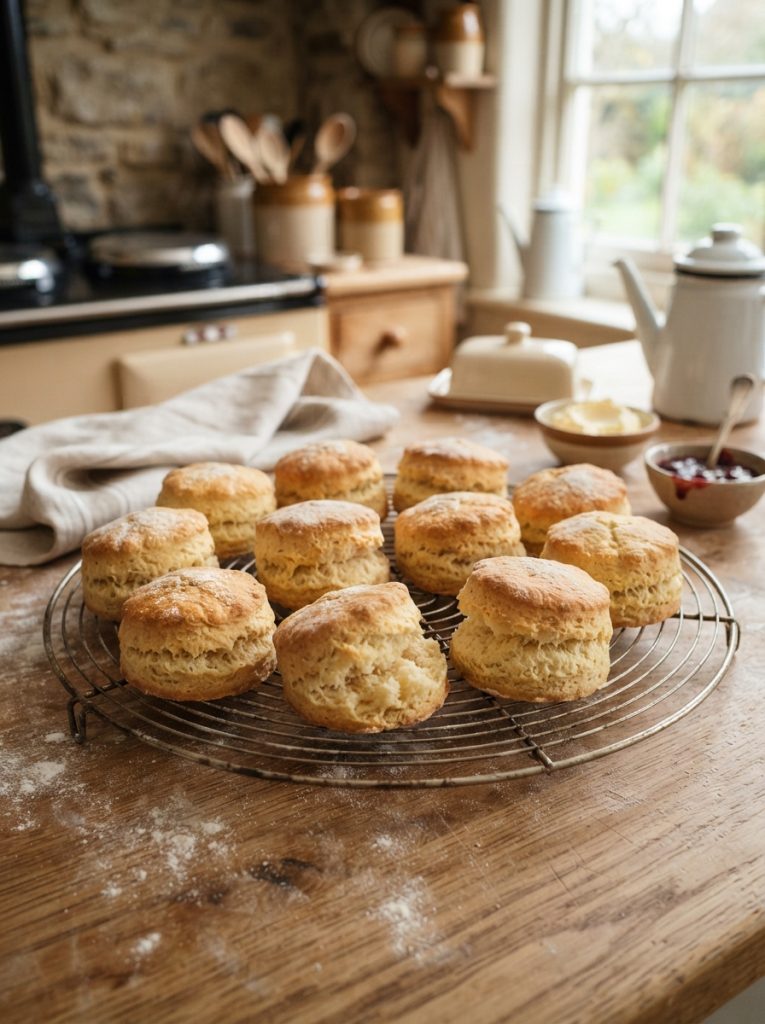
Once you’ve made scones with buttermilk instead of plain milk, it’s genuinely hard to go back — there’s a noticeable difference in both how tall they rise and how tender the crumb turns out.
This is my go-to when I have buttermilk to use up, or when I specifically want that little bit of extra lift and softness that regular milk can’t quite match.
The method is otherwise very much the same as a classic scone, but that one swap makes a real, tangible difference to the finished bake.
Why Buttermilk Gives You a Taller, More Tender Scone
Buttermilk is naturally acidic, and that acidity does genuine chemical work in this recipe, beyond just adding a slight tang to the flavour.
When acidic buttermilk meets the baking powder in the flour, it reacts more vigorously than plain milk would, producing extra carbon dioxide bubbles that help the scones rise taller in the oven.
That same acidity also has a gentle tenderising effect on the gluten in the flour, which is part of why buttermilk scones tend to have a slightly softer, more delicate crumb than a version made with regular milk.
Ingredients for Delia Smith Buttermilk Scones
- 225g self-raising flour, plus extra for dusting
- A pinch of salt
- 1 tsp baking powder
- 50g cold unsalted butter, cubed
- 25g caster sugar
- 150ml buttermilk, plus a little extra for brushing
- 1 tsp vanilla extract (optional)
How to Make Delia Smith Buttermilk Scones — Step by Step
Step 1 — Preheat and Prepare
Preheat your oven to 220°C (200°C fan / Gas 7). Line a baking tray with parchment paper.
Step 2 — Sift the Dry Ingredients
Sift the flour, salt and baking powder into a large bowl.
Step 3 — Rub in the Butter
Add the cold, cubed butter and rub it into the flour using just your fingertips, lifting the mixture as you go, until it resembles fine breadcrumbs.
Step 4 — Add the Sugar
Stir in the caster sugar.
Step 5 — Bring the Dough Together
Make a well in the centre and pour in most of the buttermilk (and vanilla, if using). Mix with a butter knife using a cutting motion, until the dough just comes together. Add the remaining buttermilk only if it feels too dry.
Step 6 — Pat, Don’t Roll
Turn the dough out onto a lightly floured surface and pat gently into a round about 2cm thick.
Step 7 — Cut Straight Down
Cut out your scones using a 5–6cm round cutter, pressing straight down without twisting.
Step 8 — Bake
Place on the tray close together but not touching, brush the tops with a little extra buttermilk, and bake for 10–12 minutes, until well risen and golden on top.
Step 9 — Cool Briefly
Cool on a wire rack for a few minutes before serving warm.
My Top Tips for the Best Delia Smith Buttermilk Scones
Use properly cold buttermilk, straight from the fridge. Just as with the butter, keeping the buttermilk cold helps the scones rise taller and lighter.
Don’t overmix once the buttermilk goes in. The dough should come together with just a few cuts of the knife — overworking it will undo the tenderising benefit that buttermilk gives you.
Never twist the cutter. This holds true whether you’re using milk or buttermilk — press straight down and lift straight back up for the best rise.
If you don’t have buttermilk, make a quick substitute. Stir a tablespoon of lemon juice or white vinegar into 150ml of regular milk and let it sit for 5 minutes before using.
Bake straight after cutting. The reaction between the buttermilk and baking powder starts working as soon as they’re combined, so don’t let the shaped scones sit around too long before they go in the oven.
Serving Suggestions
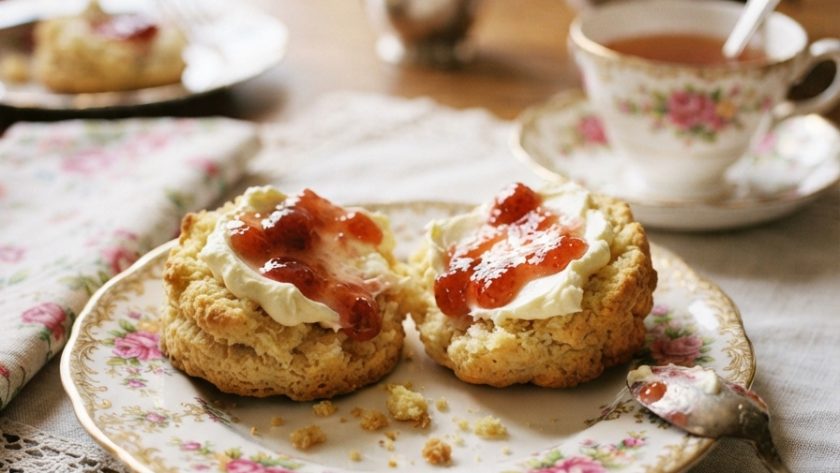
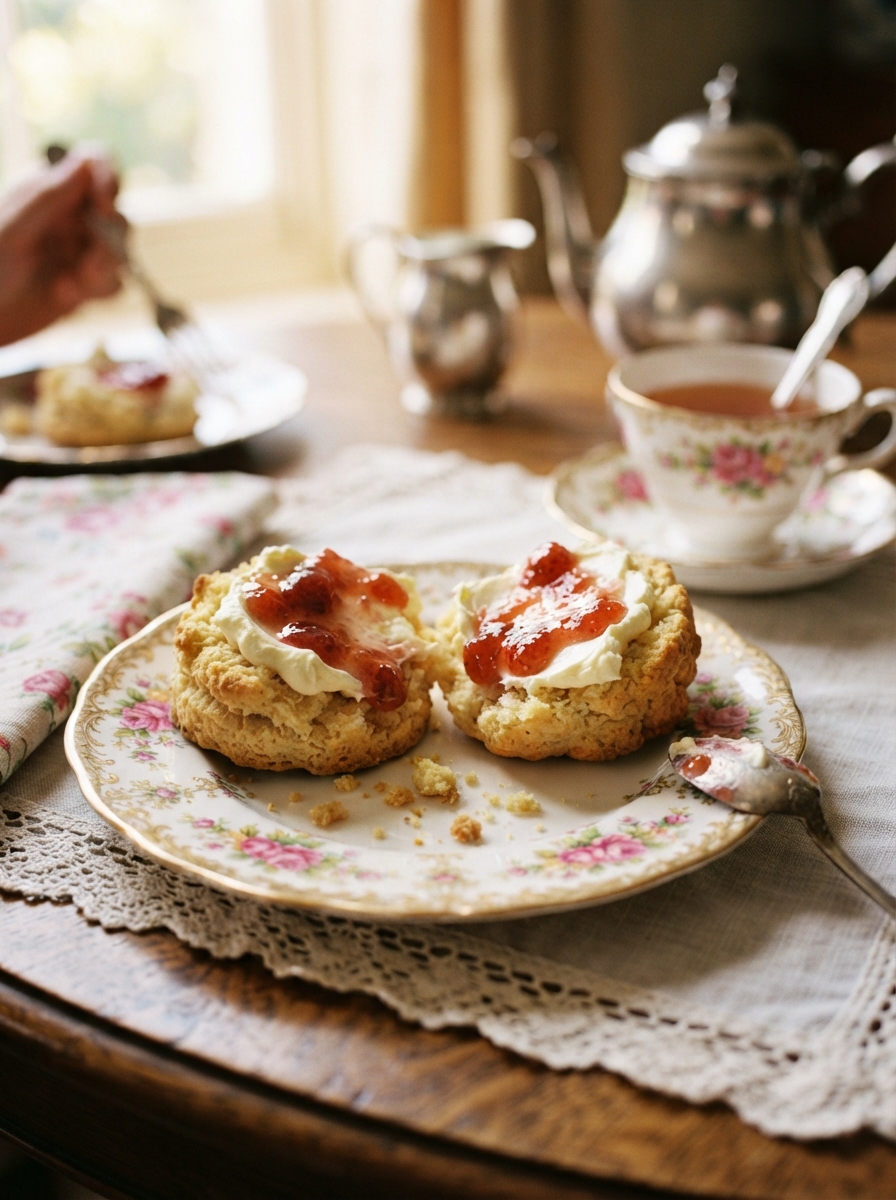
Serve warm, split in half, with strawberry jam and a generous spoonful of clotted cream. They’re also lovely simply with salted butter, or served alongside a bowl of soup for something a little more filling.
How to Store Delia Smith Buttermilk Scones
In the fridge: Not necessary — scones are best kept at room temperature, which the fridge can dry out.
At room temperature: Store cooled scones in an airtight container for up to 2 days.
In the freezer: Wrap cooled scones individually and freeze for up to 3 months. Defrost at room temperature, then warm through in a low oven for a few minutes.
Delia Smith Buttermilk Scones Recipe
Ingredients
Method
- Preheat oven to 220°C (200°C fan / Gas 7). Line a baking tray with parchment.
- Sift flour, salt and baking powder into a bowl.
- Rub in the cold butter until it resembles fine breadcrumbs.
- Stir in the sugar.
- Mix in most of the buttermilk with a knife until the dough comes together.
- Pat gently into a 2cm-thick round.
- Cut out scones, pressing straight down.
- Place on the tray, brush with buttermilk, and bake for 10–12 minutes.
- Cool briefly before serving warm.
Notes
Frequently Asked Questions About Delia Smith Buttermilk Scones
Can I substitute buttermilk if I don’t have any?
Yes, stir a tablespoon of lemon juice or white vinegar into 150ml of regular milk and leave it to sit for about 5 minutes before using — it won’t be quite identical, but it gives a similar acidic reaction.
Why are my buttermilk scones not rising as tall as expected?
This usually comes down to the same factors as any scone — the butter wasn’t cold enough, the dough was overworked, or the cutter was twisted. Keep everything cold and handle gently.
Can I make the dough ahead of time?
You can prepare the dough a few hours ahead and keep it covered in the fridge before cutting and baking, though I wouldn’t leave it much longer, as the reaction between the buttermilk and baking powder is most effective when fresh.
Does buttermilk make the scones taste tangy?
Only very subtly — the tang is much gentler than you might expect, and it’s largely balanced out by the sugar in the recipe, so the overall flavour is still recognisably a classic scone.